In the world of health and fitness, the word "calorie" is used constantly. We count them, we burn them, and we try to avoid them. But if you ask the average person exactly what a calorie is, they might struggle to give you a clear answer. To master your health, you must first understand your fuel.
The Scientific Definition
Mathematically and scientifically, a calorie is a unit of energy. Specifically, it is the amount of heat energy required to raise the temperature of one gram of water by one degree Celsius.
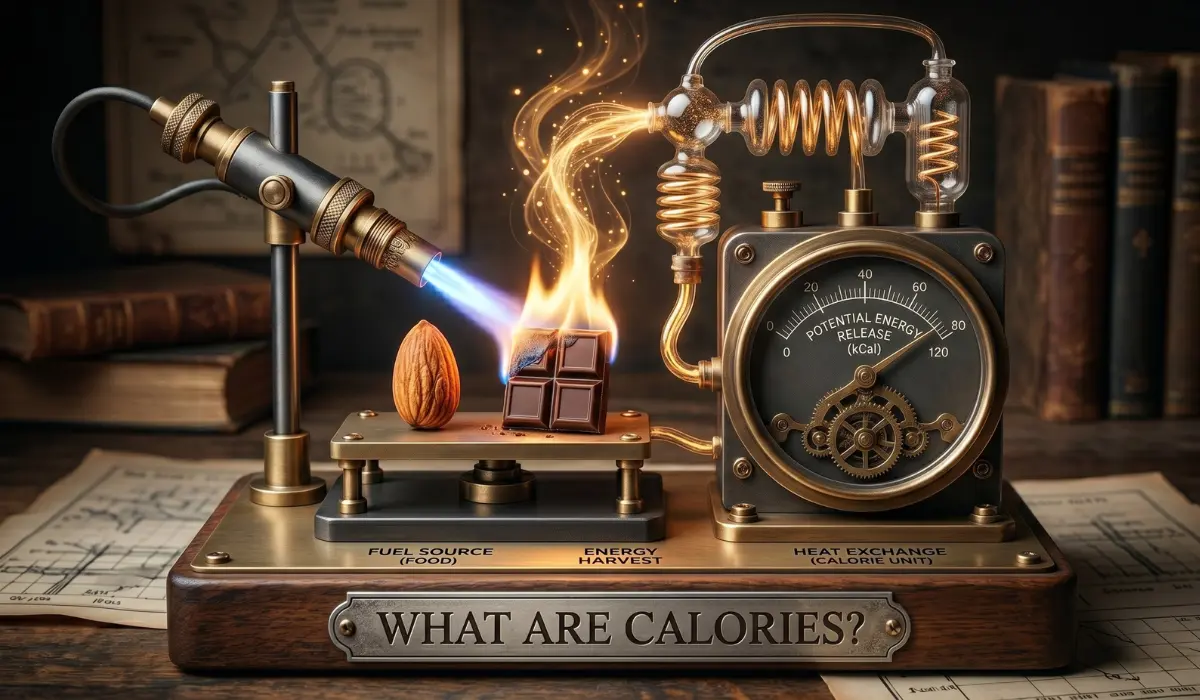
In terms of nutrition, when we see "Calories" on a food label, we are actually looking at kilocalories (kcal). These represent the potential energy stored in the chemical bonds of the food you eat. When your body digests that food, it releases that energy to power everything from your heartbeat to your 5-mile run.
Where Do Calories Come From?
Calories don't just appear out of nowhere; they are provided by the three main macronutrients. Each macro provides a specific amount of energy per gram:
How Your Body Uses Calories
Your body is incredibly efficient. It prioritizes its energy spending in a very specific order:
- Basal Metabolism: Keeping your vital organs running while you rest (See our BMR Guide).
- Digestion: The energy required to break down the very food you just ate.
- Physical Activity: Every movement, from blinking your eyes to lifting a heavy barbell.
Not All Calories are Created Equal
From a pure weight-loss perspective, "a calorie is a calorie." However, from a health and hunger perspective, this couldn't be further from the truth. This is the difference between Nutrient Density and Empty Calories.
Nutrient-Dense Calories
Foods like spinach, eggs, and salmon are packed with vitamins, minerals, and fiber. These calories do "double duty". They not only provide energy but also repair your tissues and regulate your hormones.
Empty Calories
Foods like sugary sodas or processed candies provide energy (calories) but offer zero nutritional value. These are often digested very quickly, leading to a "sugar crash" and making you feel hungry again almost immediately.
The Energy Balance Equation
Your body weight is the result of the relationship between Calories In and Calories Out.
- Weight Gain: Consuming more energy than you use.
- Weight Loss: Using more energy than you consume.
- Maintenance: Consuming exactly what you use.
You can use the FitMeter Calculator to find your specific daily energy needs based on your unique body type and activity level.
Conclusion
Calories are not the enemy. They are the essential fuel that allows you to think, move, and grow. By understanding the science behind these units of energy, you can stop fearing food and start using it as a tool to reach your goals. Focus on high-quality fuel, and your body will perform at its best.